
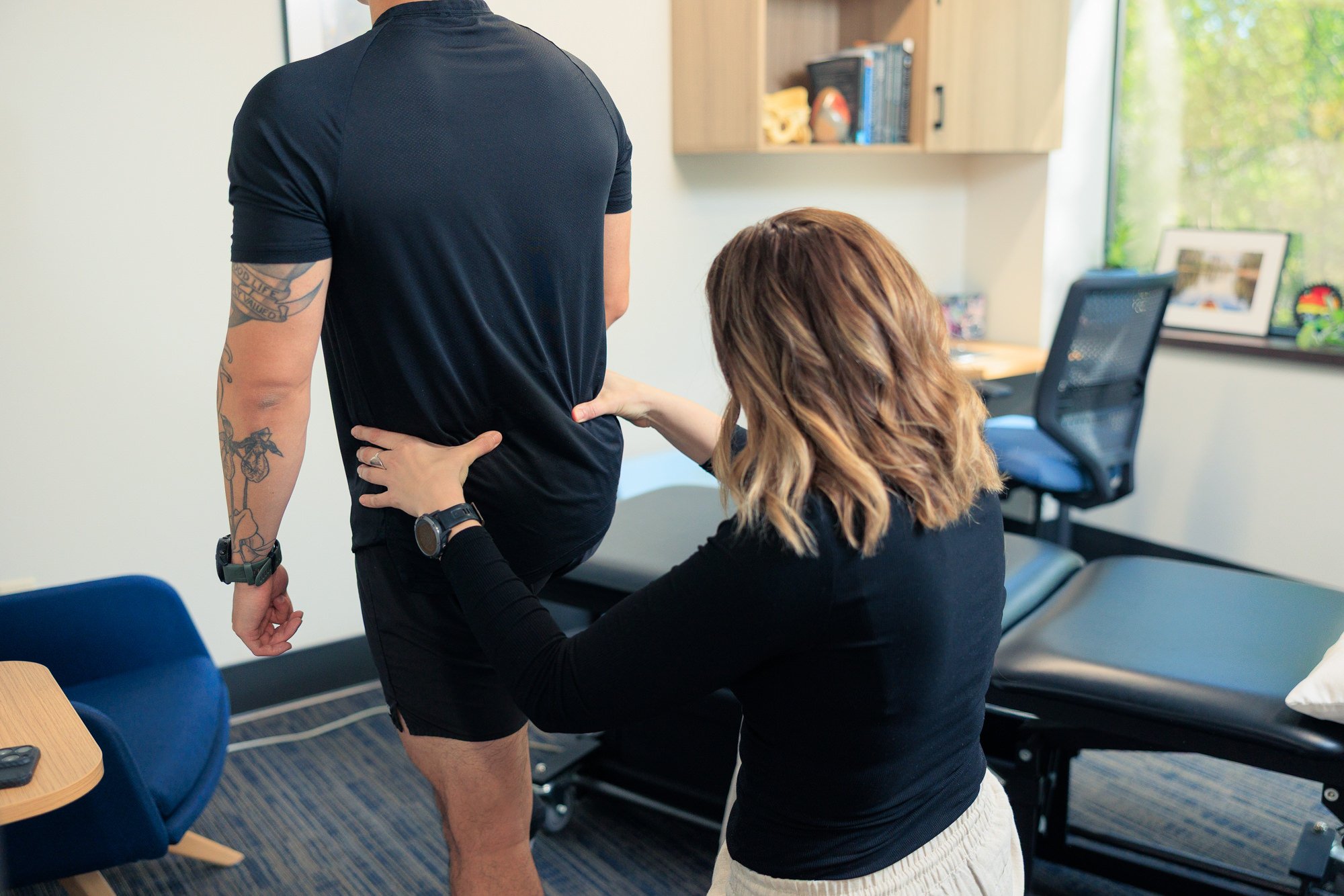
Holistic Physical Therapy
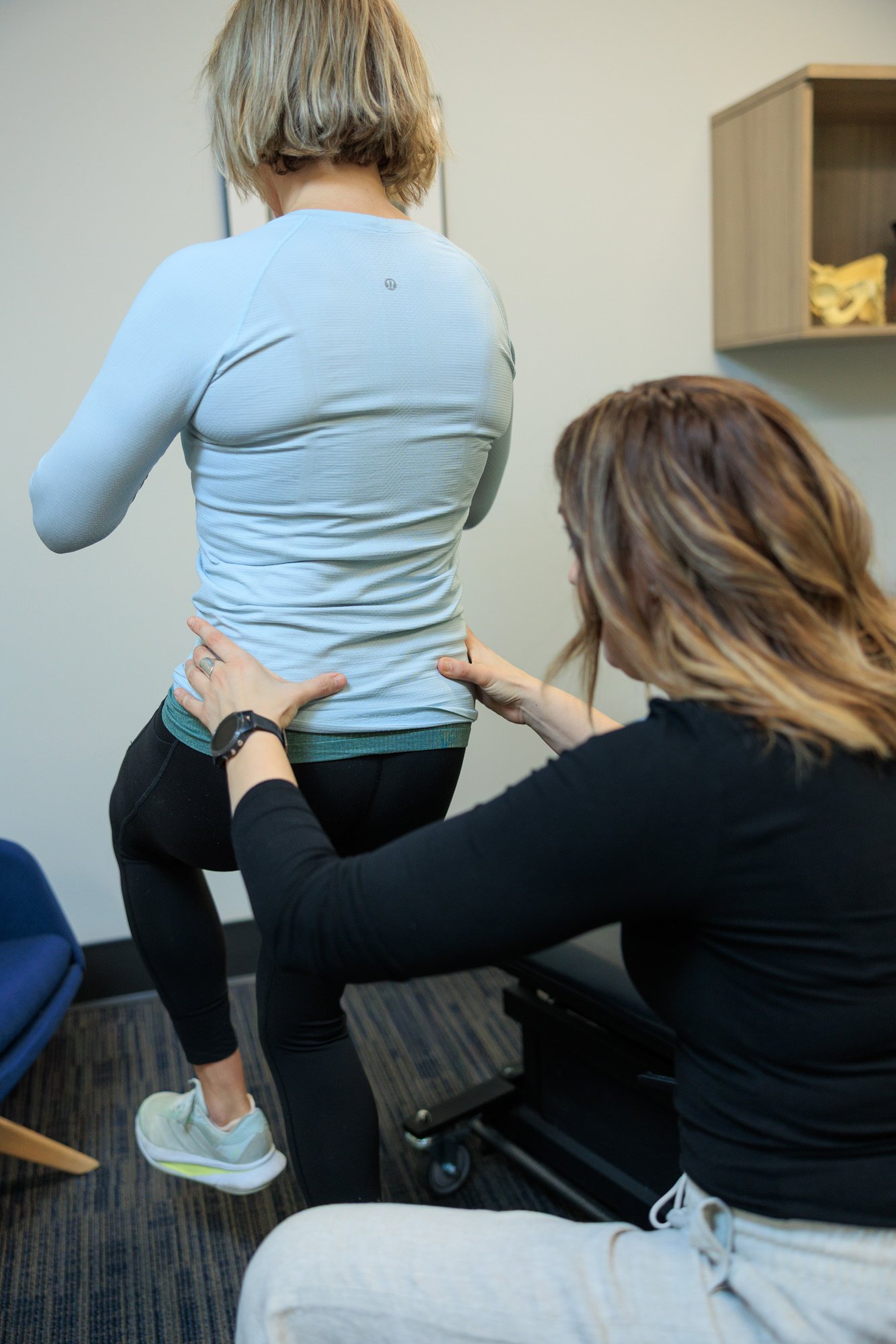
This isn't a standard PT experience.
Every session, whether it's your first visit or your tenth, follows the same whole-body approach. I start by looking at the full picture, work with what I find, and help your body learn to move differently from the inside out.
That means I'm not pulling from a script or running through a standard protocol. I'm looking at how you're moving, what your body is compensating for, and what changed since the last time I saw you. How you responded last week tells me something about what to try this week. I'm tracking patterns across sessions, not just treating today's symptoms in isolation. That continuity matters, and it's hard to replicate when you're seeing someone different every visit.
Sometimes that takes us in a completely different direction than we planned. There's no assembly line here. No rotating staff, no handoff to a tech, no set of exercises printed from a template. Just you, me, and an hour of actual work.
No two sessions look the same. Just a genuine look at what your body is telling us, and a session built entirely around that.
What Sessions Will Looks Like
-
Find the Driver
Every session begins with an assessment.
Not just of the place that hurts, but of the whole body, how everything moves and works together. Your first visit includes more conversation so I can understand your history and what you've already tried.Every session starts the same way: a fresh look at what your body is doing and needs right now.
-
Address What's Found
Treatment is hands-on and targeted at what the assessment reveals.
Depending on what we find, that might include soft tissue work, myofascial work, joint mobilization, visceral work, or nerve mobility. The approach follows what your body is showing us, not a set protocol.
-
Rebuild Connection
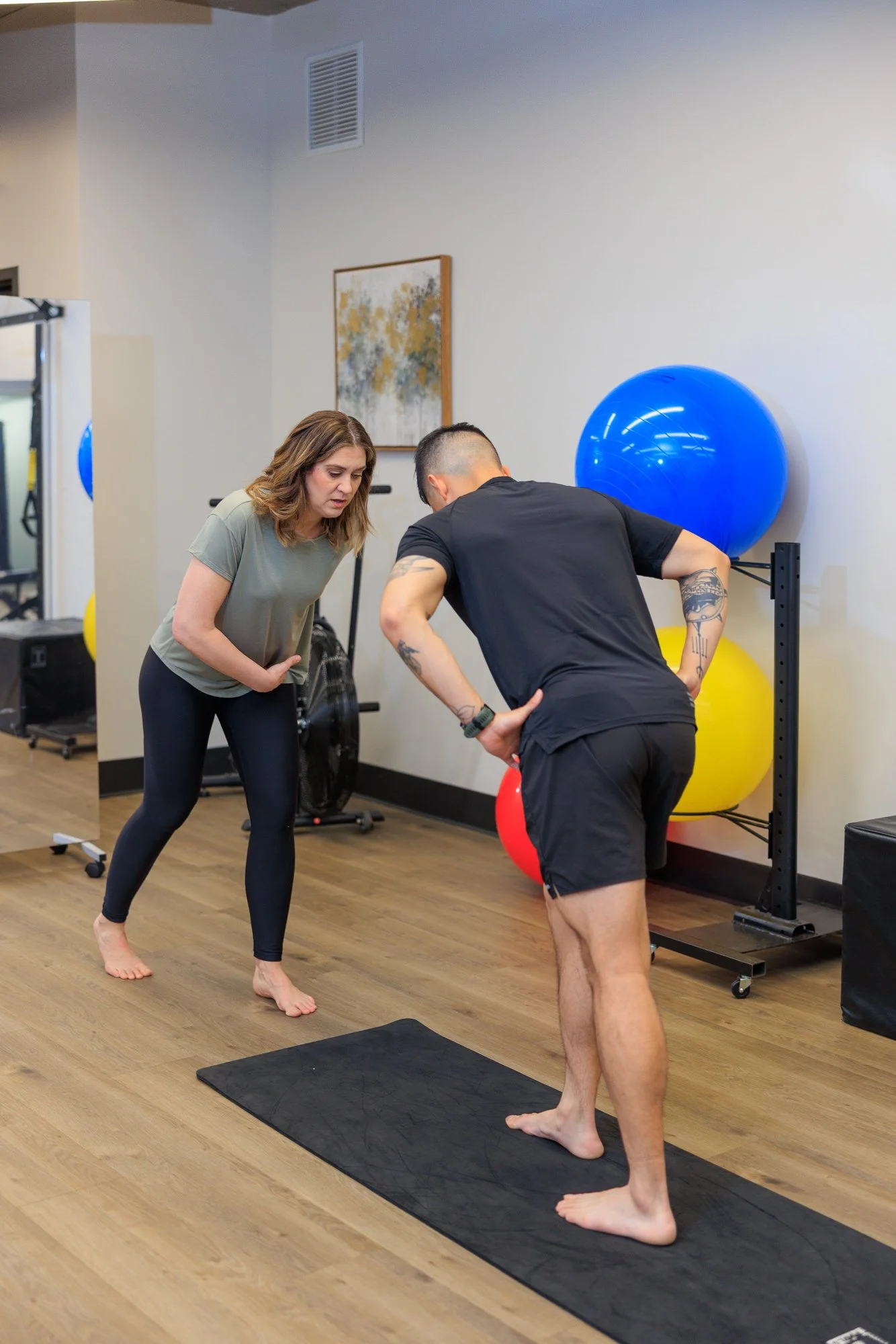
The last piece is movement.
Not a list of exercises to perform correctly, but guided movement and hands-on cueing that helps your body feel something new. When the body can feel a difference, it can start to make one.
Common Diagnoses & Conditions I Work With
Hip pain and labral tears
Knee pain and meniscus injuries
SI joint pain and dysfunction
Low back pain
Foot pain, plantar fasciitis, and neuromas
Achilles pain and tendon issues
Shoulder pain
Neck pain and headaches
TMJ
Osteoarthritis of the hip, knee, or other joints
Chronic or recurring pain that hasn't responded to other treatment
If you don't see your specific condition listed, reach out. If it involves pain, movement, and a body that isn't doing what you want it to do, it's worth a conversation.
It’s time to stop managing and start understanding so you can move freely.
Your body is specific. What it needs is specific. That's the starting point for everything I do. When the right question gets asked, everything changes. That's how you stop managing and start understanding so you can get back to moving without fear.
Frequently Asked Questions
-
That's a common thing to hear, and it's worth questioning. "Live with it" usually means the approach tried so far didn't find a solution, not that no solution exists. I've worked with people who had been told exactly that and found meaningful change. It's not always possible, but it's often worth finding out.
-
You don't need one. A lot of people come in with pain that hasn't been fully explained by imaging or prior workups. That's fine. I'm looking at how your body is moving and what it's telling me, not just what a label says. Sometimes the diagnosis isn't the most useful starting point anyway.
-
Yes. Post-surgical work is something I see regularly. The timeline and approach depend on what was done and how far out you are, but surgery doesn't disqualify you. If anything, it's often where a more thorough look at the whole body becomes more important.
-
Yes. The list covers what I see most often, not everything I work with. If it involves pain, movement, or a body that isn't doing what you want it to do, it's worth a conversation.
-
That's actually more the norm than the exception. Most people who come in aren't dealing with one isolated problem. The whole-body approach accounts for that. Sometimes what looks like two separate issues is the same pattern showing up in different places.
-
Most PT is protocol-driven and volume-based. You see a different person, do a set list of exercises, and hope it adds up. What I do is slower, more individual, and focused on what the assessment actually reveals rather than what the diagnosis typically calls for. If the previous approach wasn't that, it may be worth trying a different one.